
Building Growth Infrastructure for Technical Products

A Case Study Series on Data Systems, Attribution, and Revenue Architecture

Building Infrastructure, Not Campaigns

Most marketing teams optimize campaigns. These six projects built something different: the infrastructure underneath them.

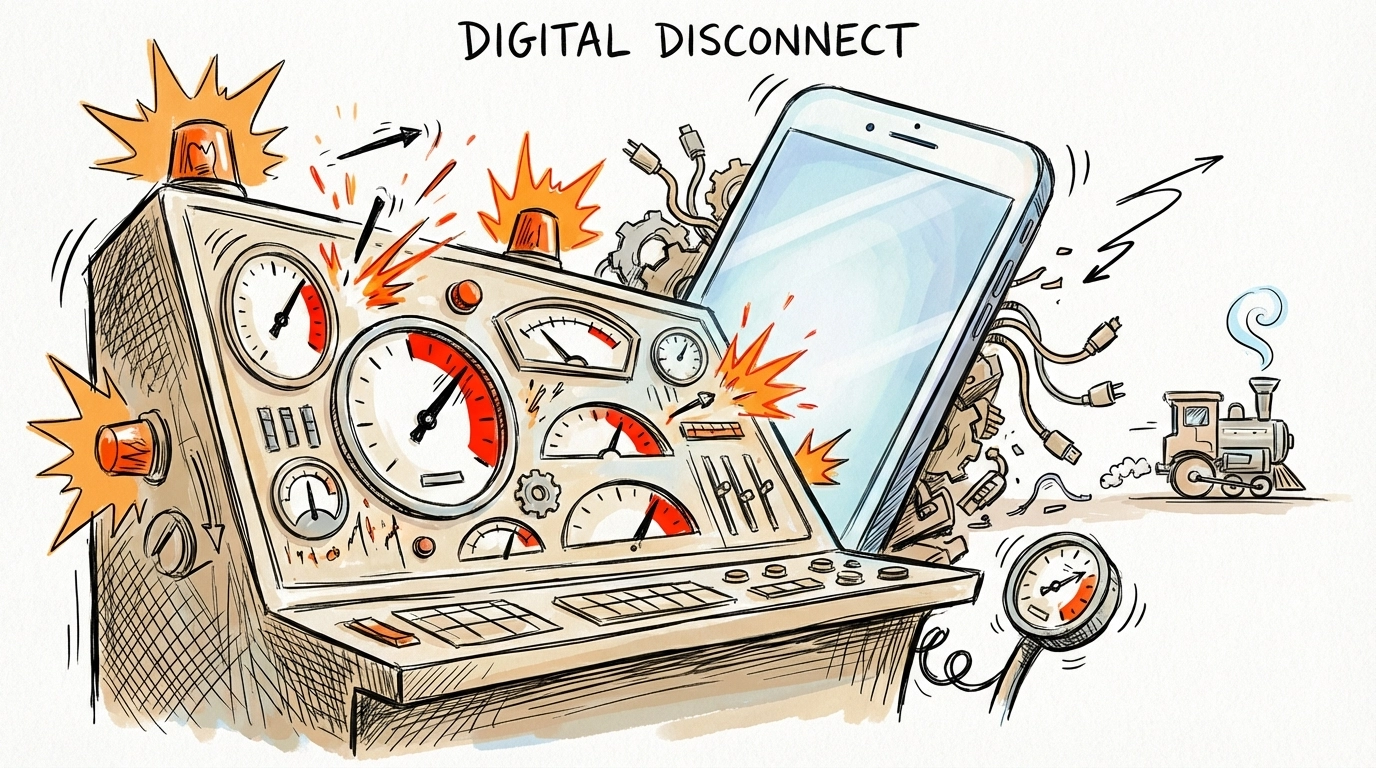
Every case study here started with the same realization — the growth problem wasn't creative, messaging, or channel selection. It was architectural. Developer signals invisible to CRM. Scoring models nobody trusted because the data was inconsistent. Attribution that collapsed overnight when a platform changed its rules. A marketplace with no reliable way to build supply.

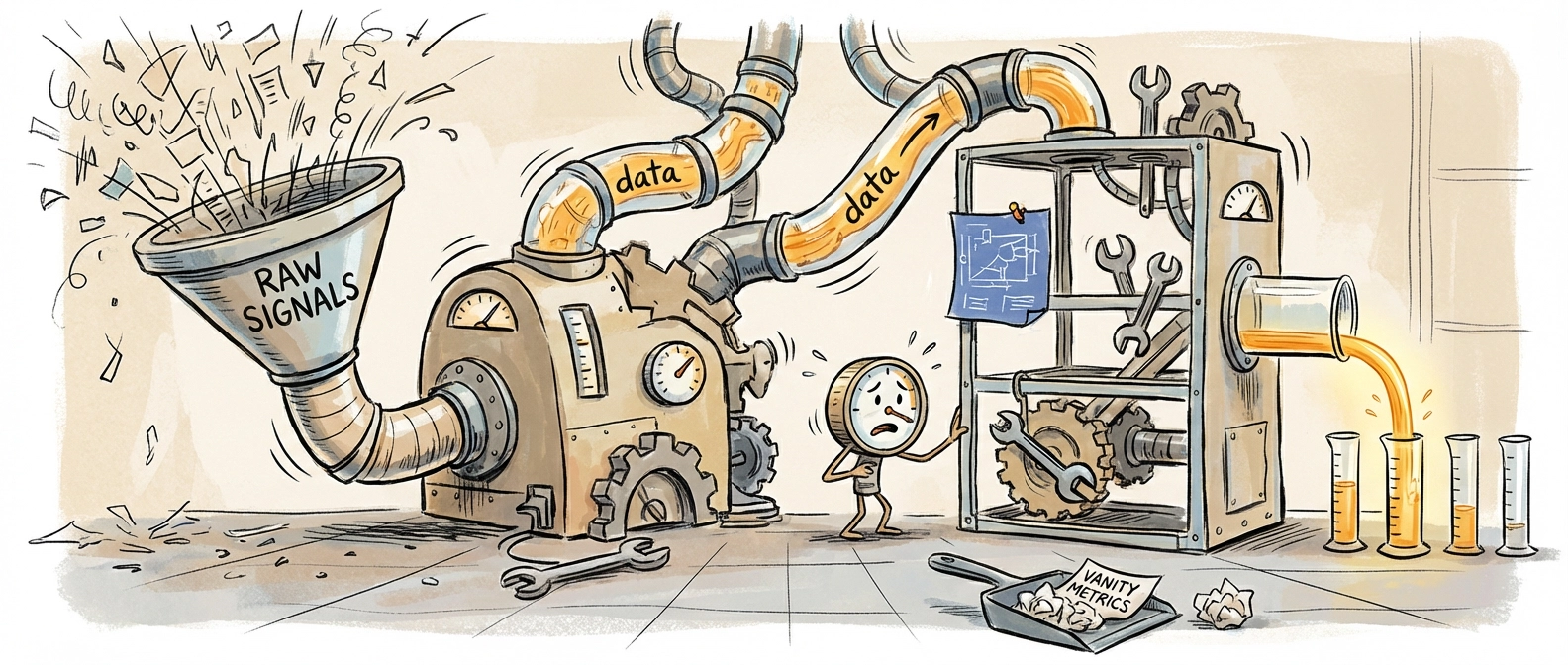
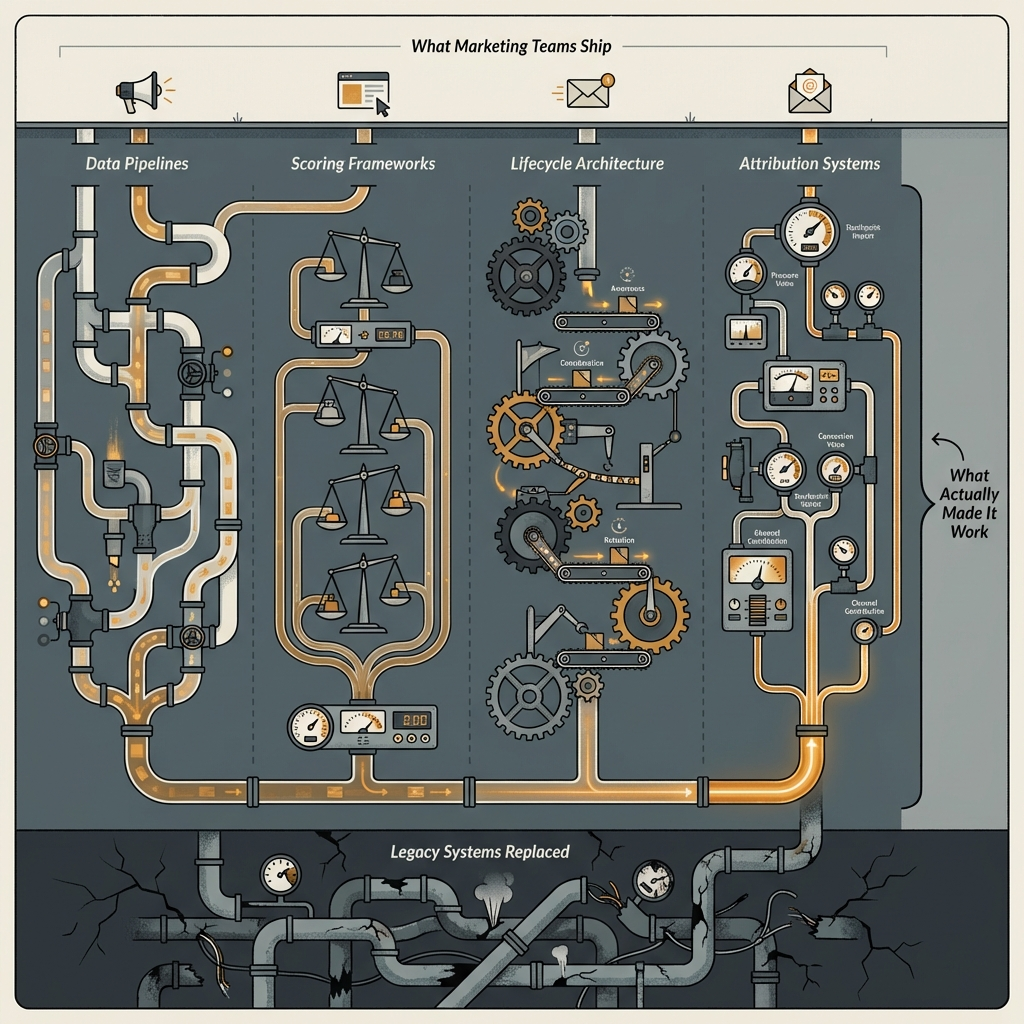
The fixes weren't campaigns. They were systems — data pipelines, scoring frameworks, lifecycle architectures, clean rooms — that made the campaigns work, or made them unnecessary.

Marketing Infrastructure Illustration showing data pipelines, scoring frameworks, lifecycle architecture, and attribution systems

The Case Studies

Developer-to-Enterprise Pipeline
01

Developer-to-Enterprise Pipeline for Open Source AI

How We Turned GitHub Stars into Six-Figure Deals

Building a demand generation engine for an open-source visual AI company. The challenge: developers evaluate tools on GitHub and Hugging Face, not through demo request forms. The solution: a multi-layer system that captures developer signals, connects them to organizations, and triggers the right intervention at the right moment.

Key concepts: Developer-led growth, PLG motion, dual-track scoring, champion enablement

Propensity Scoring
02

Propensity Scoring That Actually Works

How Data Governance Made Predictive Models 30% More Accurate

Fixing a propensity model that sales didn't trust. The problem wasn't the math—it was data inconsistency across four growth systems. The solution: a data governance framework that created a single source of truth before rebuilding the scoring model.

Key concepts: Data governance, CRM integration, propensity modeling, vertical segmentation

17 Lifecycle Archetypes
03

17 Lifecycle Archetypes

The Architecture Behind 157% Velocity Improvement

Replacing one-size-fits-all nurture with pattern-based lifecycle growth. Different people in different situations need different things at different speeds. The solution: 17 distinct archetypes with custom cadences, content, and exit criteria.

Key concepts: Lifecycle growth, behavioral segmentation, velocity optimization, growth automation architecture

iOS 14.5 Privacy Pivot
04

Three Weeks to Fix a 300% Cost Increase

The iOS 14.5 Playbook

When Apple's privacy changes tripled SQL costs overnight, we had three weeks to stop the bleeding. The solution wasn't fixing the tracking—it was reducing channel dependency, rebuilding measurement, and accepting that precision attribution wasn't coming back.

Key concepts: Privacy adaptation, channel diversification, first-party data strategy, blended attribution

Government Expert Networks
05

Two-Sided Acquisition for Government Expert Networks

Scraping Public Data to Match Contractors with Former Federal Executives

Building both sides of a marketplace simultaneously: government contractors as buyers, former federal executives as experts. The solution: mining public procurement data (SAM.gov, USAspending, FPDS) for demand signals while sourcing and verifying expert supply through LinkedIn and public records.

Key concepts: Two-sided marketplaces, public data intelligence, government contracting, expert networks

Clean Room Data Architecture
06

Clean Room Data Architecture

Privacy-First Measurement Before It Was Mandatory

Building cross-screen TV and digital measurement when data partners wouldn't share data with each other. The solution: a clean room architecture where analysis happens at the intersection of data sets without anyone seeing anyone else's raw data.

Key concepts: Data clean rooms, privacy-first architecture, cross-screen measurement, identity matching

Recurring Themes

1. Data foundations matter more than campaign tactics

Every case study starts with a data problem. Developer signals invisible in CRM. Inconsistent data across systems. Broken attribution. Missing supply intelligence. The growth execution only worked after the data architecture was solid.

2. Control what you can control

iOS 14.5 didn't break everyone equally—it broke companies dependent on tracking they didn't control. Clean rooms enabled partnerships because neither party had to trust the other with their data. Public data intelligence worked because the data was always available.

3. Speed requires infrastructure

157% velocity improvement didn't come from working harder. It came from systems that recognized patterns and responded automatically. The privacy pivot worked in three weeks because we had the ability to reallocate and measure quickly.

4. Build for tomorrow's constraints

Clean room architecture was valuable before GDPR required it. First-party data strategy was valuable before cookies disappeared. Developer signal capture was valuable before every AI company realized they needed it.

Technical Stack Summary

Layer Tools Referenced
CRM Salesforce, HubSpot
Growth Automation Marketo, Pardot
ABM/Intent DemandBase, Bombora
Enrichment Clearbit, Apollo, BuiltWith
Workflow Orchestration n8n, Zapier
Data Integration Segment, Fivetran
Analytics Looker, Tableau, SQL, Python
Clean Room Google Ads Data Hub
Public Data SAM.gov, USAspending.gov, FPDS, LinkedIn Sales Navigator
Paid Media LinkedIn Ads, Meta Ads, Google Ads

About the Author

Nick Talbert builds growth infrastructure for technical products. 20+ years in B2B SaaS, adtech, and enterprise technology—including roles at companies acquired by Amazon and AOL. Currently focused on AI commercialization and developer-led growth.

This series is based on real projects with details generalized to protect client confidentiality. Technical architectures represent actual implementations; specific metrics are accurate to the projects described.